

25 Screen-Free Activities for Kids
By 3 p.m., the tablet is dying, the living room looks restless, and your kid is somehow both bored and unwilling to do anything you suggest. That is usually the exact moment parents need a few screen-free ideas that are easy enough to start without turning into a Pinterest project.
Screen-free time sounds simple until you are actually living it. Kids ask for a show because it is fast, familiar, and requires almost no setup from anyone. Parents hand over a device because dinner needs to happen, laundry exists, and not every afternoon can become an all-out craft festival. So when families say they want more screen-free activities, they usually do not mean “give me 25 perfect memory-making moments.” They mean “give me realistic options I can actually use.”
That is the sweet spot. The best screen-free activities are not necessarily the fanciest ones. They are the ones that match your child’s energy, your home, and the amount of effort you genuinely have that day. Some kids need movement. Some need novelty. Some mostly need a parent to help them get started and then stay out of the way. Once you stop treating screen-free time like a big performance, it gets much easier to make it part of normal family life.
Why This Happens
Screens are good at one thing families feel short on: instant engagement. A child taps once and gets color, sound, speed, and a clear reward. Compared with that, “go play” can sound vague and underwhelming. If your child says they are bored the second a screen is gone, it does not always mean they have lost the ability to play. Often it means they need a few minutes, a little structure, or a better entry point.
Kids also vary a lot in how they use free time. One child happily disappears into LEGO for an hour. Another needs ideas, companionship, and a visible starting line. Age matters too. Younger kids often need simple invitations like “build a zoo with pillows” or “let’s wash toy cars outside.” Older kids may resist anything that feels babyish or overly managed. They usually do better with a challenge, a mission, or some choice in what happens next.
Family rhythm matters just as much. A tired child at 5:30 p.m. may not want a thoughtful activity. They may need something physical, sensory, or silly. If your house already feels overstimulated, a quieter option can work better than one more loud game. That is why screen-free success is less about having one magical activity and more about having a small menu you can reach for. If you are also trying to make play feel more meaningful, learning through play is a good companion read.
What Parents Can Do
Keep a short “go-to” list instead of reinventing the wheel
Families burn out when every screen-free moment starts with brainstorming. Make a short list of activities your kids already like and keep it visible on the fridge or in your phone. You do not need 100 ideas. You need 8 to 12 reliable ones that fit your real life.
Here are 25 realistic screen-free activities to rotate through:
- Build a blanket fort.
- Create an indoor obstacle course with cushions and tape lines.
- Go on a backyard bug hunt.
- Make a paper airplane contest.
- Play “restaurant” and let kids write or draw the menu.
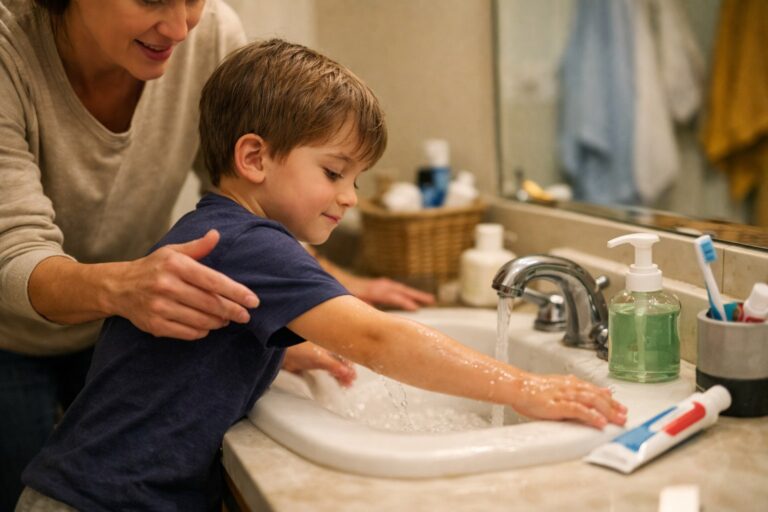
- Wash toy cars or dolls in a sink or plastic bin.
- Do a scavenger hunt indoors or outside.
- Make a reading nook and read one short chapter together.
- Set up a dance freeze game.
- Try a simple kitchen helper task like stirring pancake batter.
- Build the tallest block tower possible.
- Do a sticker, coloring, or collage station.
- Make sock puppets and a tiny show.
- Play card games or a simple board game.
- Draw a treasure map of the house or yard.
- Go on a “notice five things” nature walk.
- Try a mystery box guessing game using household items.
- Let kids sort coins, buttons, or craft supplies by color or size.
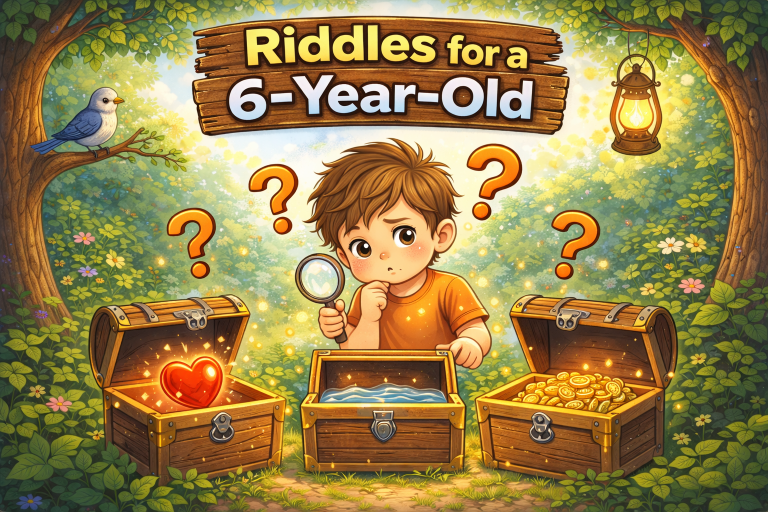
- Write jokes or riddles and perform them.
- Turn music on and do a five-minute cleanup race.
- Make a pretend campsite with flashlights and pillows.
- Have a “yes space” for free building with recyclables.
- Try a family drawing challenge where everyone sketches the same object.
- Do a simple science activity with baking soda or ice.
- Invite your child to invent their own game and teach you the rules.
If your kids get stuck once the activity starts, a few structured ideas from screen-free learning activities can help you bridge the gap between “I’m bored” and actually getting engaged.
Match the activity to your child’s energy
A restless child usually does not need another seated task. They need motion. That could mean hallway races, a scavenger hunt, a trampoline break, or carrying laundry baskets sock by sock. A child who feels fried may do better with coloring, audio stories, stickers, or building something quietly on the floor. Matching the activity to the mood saves everyone frustration.
Use “start with me, continue without me” activities
One reason screens take over is that they hold a child’s attention without much adult involvement. Most parents cannot replace that with nonstop hands-on entertainment. What helps more is choosing activities that need you for the first three minutes, not the full forty. Set up the fort, start the pretend restaurant, hide the first scavenger clues, then step back. A small launch often matters more than a long performance.
Build screen-free time into a routine
Kids often handle limits better when they know what usually happens next. “After school is snack, outside time, then homework” lands more smoothly than a surprise ban on devices. The clearer the routine, the less every transition feels like a negotiation. If that is an ongoing struggle at your house, the power of routine can help make the whole day feel less reactive.
Let boredom do a little work
This one is hard, but useful: children do not need a solution within ten seconds of saying “I’m bored.” Sometimes they need a little empty space before their own idea kicks in. You can stay kind without becoming cruise director. Try saying, “You can choose from the list, help me in the kitchen, or come up with your own game.” A little boredom is often the doorway, not the problem.
Common Mistakes to Avoid
One common mistake is offering activities that are too complicated for the moment. If the setup takes 25 minutes, the energy usually collapses before the fun starts. Simpler wins more often.
Another mistake is treating screen-free time like it has to be educational every single time. Kids absolutely learn through play, but not every activity needs a lesson attached to it. Sometimes building a fort, drawing monsters, or racing paper airplanes is enough.
Parents also get stuck when they swing between unlimited screens and total shutdown. A calmer middle ground works better. Predictable limits paired with actual alternatives are much easier for kids to handle than random decisions based on adult exhaustion.
Finally, avoid using guilt. If screens have been carrying more of the load lately, that does not mean you failed. It usually means life has been full. The fix is not shame. The fix is having a few easier options ready next time. If you want more ideas that mix fun with light structure, family bonding activities is a good next stop.
Simple Plan to Try This Week
If you want more screen-free time without starting a family rebellion, try this for one week:
Day 1: Make a short activity menu
Pick 8 to 10 ideas your kids can actually do in your home or yard. Keep it visible.
Day 2: Set one predictable screen-free window
Choose one low-stakes time, like 20 to 30 minutes after school or before dinner.
Day 3: Offer only two choices
Too many options can backfire. Try, “Fort or scavenger hunt?” instead of a giant list.
Day 4: Launch the activity, then step back
Give just enough help to get things moving, then let your child take over as much as possible.
Day 5: Match the activity to the mood
Use active ideas for restless days and quieter ones for tired days.
Day 6: Notice what actually worked
Not what looked cute. What genuinely held attention, lowered whining, or bought you a few calm minutes.
Day 7: Keep the winners and drop the rest
Build your family’s own repeatable list. The goal is not variety for its own sake. It is reliability.
Helpful Tools
You do not need special gear for screen-free play, but a couple of optional tools can make it easier to get started when everyone is in a rut.
- Scavenger Hunt Cards can be handy when your kids love hunts, missions, and quick prompts that get them moving without a lot of setup.
- Family Adventure Challenge Book works well for families who want an easy stash of screen-free ideas for weekends, rainy afternoons, or “we need something different” days.
FAQ
How much screen-free time should kids have each day?
There is no single perfect number that fits every family. What matters most is that kids also have time for movement, boredom, play, reading, conversation, and everyday family life. A predictable balance usually works better than a dramatic all-or-nothing approach.
What if my child says every screen-free idea sounds boring?
That usually means they are comparing it to the immediate stimulation of a screen. Stay calm, offer two simple choices, and give the activity a few minutes to get started. Resistance often fades once something actually begins.
Do screen-free activities always need a parent involved?
No. Some do need help getting started, especially with younger kids, but the goal is not to become full-time entertainment staff. Look for activities that need a short launch and then allow independent play.
What are the best screen-free activities for siblings of different ages?
Fort building, scavenger hunts, pretend play, dance games, simple art stations, and outdoor missions often work well because younger and older kids can join at different levels.
What if I still need screens sometimes?
That is normal. Screens are part of modern family life. The goal is not perfection. It is having enough screen-free options that devices stop being the only answer every time a child gets restless.
Screen-free time gets easier when it stops feeling like a giant project and starts feeling like a normal part of the day. A fort, a scavenger hunt, a dance break, a tray of crayons, a pretend restaurant—none of these need to be extraordinary to be useful. They just need to be ready when your family needs them. If you want another low-pressure idea bank, creative indoor activities for kids on rainy days pairs nicely with this list.

















Comments 0