

Family Reading Night Ideas
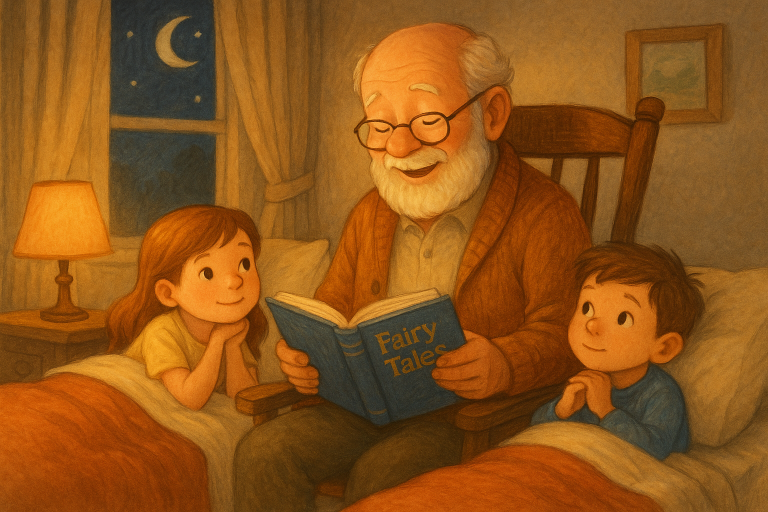
One child is upside down on the couch, another wants the funny book instead of the chapter book you picked, and somehow the “cozy family reading night” in your head now looks like snack crumbs and mild chaos. That does not mean the idea is bad. It usually just means reading night needs to feel more like family life and less like a school assignment.
A family reading night can be one of the easiest ways to slow everybody down without needing much money, driving, or setup. But parents often imagine a quiet, picture-perfect evening where everyone happily listens from start to finish. In real life, someone needs water, someone wants a different book, and a younger sibling may care more about the flashlight than the story.
The good news is that a reading night does not have to be polished to be worth repeating. When books are tied to comfort, laughter, attention, and low pressure, kids are more likely to see reading as something enjoyable rather than one more thing adults make them do.
A reading night can be fifteen minutes on the couch, a blanket pile on the floor, or everyone bringing their own book to the table after dessert. Small counts.
Why This Happens
Parents often run into trouble with reading nights because kids do not all enjoy books in the same way. One child likes silly voices and piles of picture books. Another wants facts about sharks. Another would rather flip through a comic quietly than listen to someone else read aloud. If adults expect one format to magically work for everyone, the night can feel frustrating fast.
There is also a timing issue. Reading tends to go best when kids are winding down but not completely exhausted. If you start too late, even a child who loves books may start rolling around, interrupting, or melting down. If you start too early, they may still be in full-energy mode and struggle to settle.
Another reason family reading nights can feel awkward at first is that many kids associate books with correction. They are used to being told to sit still, sound out words, or finish a page. A family reading night works better when it signals something different: closeness, choice, humor, and curiosity. That same low-pressure approach is part of what helps a love of reading grow over time.
It also helps to remember that attention spans vary wildly. A successful reading night does not require every child to listen for forty uninterrupted minutes. Some kids want a short read-aloud and then a chance to browse on their own. Others stay engaged longer if they can hold a stuffed animal, nibble a snack, or take turns choosing pages. Flexibility matters more than perfection.
What Parents Can Do
Keep the setup simple and repeatable
The more complicated the plan, the less likely it is to happen again next week. Pick one easy signal that tells your family, “It’s reading night.” Maybe that means pajamas early, a lamp in the corner, one bowl of popcorn, or everyone grabbing a blanket. You do not need themed decorations or a color-coded schedule. You need a routine that feels doable on a normal Tuesday.
If your evenings already feel crowded, think of reading night as a replacement for some other screen or filler time, not as a whole new production. Families who are trying to protect calmer connection time often find that it pairs well with making more family time on ordinary days instead of waiting for special occasions.
Let kids have some choice
Choice is often the difference between a child leaning in and checking out. You can still offer simple options. Try:
- “Do you want a funny book or a cozy book?”
- “Should we read on the couch or make a blanket nest on the floor?”
- “Do you want me to read first, or do you want to show us your book first?”
Choice helps because it gives kids ownership without handing over the whole evening. It also makes room for different reading personalities in the same family. One child may want a dramatic read-aloud. Another may want silent page-flipping and then a quick show-and-tell about their favorite picture.
Use a mix of read-aloud and independent reading
A lot of parents assume family reading night has to mean one person reading aloud to everyone for the whole time. That works for some ages, but it is not the only good version. Many families do better with a mixed format: ten minutes together, then ten minutes of everyone looking at their own books, then a quick share at the end.
This helps older siblings stay engaged without making younger ones sit through a book that is over their heads. It also keeps the atmosphere relaxed instead of forcing all the kids into one lane. If your child is still building confidence with books, this kind of low-pressure exposure can support the same habits behind early literacy at home.
Make the conversation easy
You do not need to turn reading night into a book club. A few natural comments go a long way:
- “That page made me laugh.”
- “I like how the illustrator drew the dog.”
- “Which part would you want in real life?”
- “Show me your favorite picture.”
These light questions keep kids talking about books without making them feel quizzed. You are not testing comprehension. You are helping them notice that books can spark opinions, jokes, questions, and connection.
Match the night to your child’s energy
If your child is bouncing off the furniture, start with a short silly book, a poetry collection, or something interactive instead of opening with a long quiet story. If they are tired and tender, go for familiar favorites, soft voices, and snuggle-friendly books. Reading night works best when it meets the mood in the room instead of fighting it.
Sometimes the smartest move is keeping it very short. Fifteen happy minutes is better than forty-five tense ones. Think of it like family movie night: the goal is not to prove you can endure the whole event. The goal is to create a ritual people want to come back to.
Give books a little atmosphere without overdoing it
Kids remember mood. A flashlight under a blanket, a stack of library books by the couch, or hot chocolate on a rainy evening can make the whole thing feel special without turning you into an event planner. You are aiming for cozy, not complicated.
If your family likes rituals, you can make reading night part of a wider rhythm alongside simple family traditions worth starting. The point is not that every week looks identical. The point is that books keep showing up in warm, ordinary ways.
Common Mistakes to Avoid
One common mistake is choosing books for what adults think kids should read instead of what will actually draw them in. Reading night is not the best time to force a worthy but unwanted title. It is a great time for joke books, graphic novels, animal facts, holiday stories, favorite repeats, and whatever else makes kids want to stay close.
Another mistake is correcting too much. If a child reads a page aloud and stumbles over words, you do not have to jump on every mistake unless they want help. Family reading night should feel different from homework support. Warmth first, correction second.
Parents also sometimes make the bar too high. If someone wiggles, interrupts, or leaves halfway through, it does not mean the whole thing failed. Young kids often engage in little bursts. Listening while upside down is still listening.
Finally, avoid comparing siblings. One child may sit still and ask thoughtful questions. Another may mostly come for the snacks and then wander back during the funny parts. Both can still be part of the ritual. Family reading night is about building positive association, not measuring who is “the reader” in the family.
Simple Plan to Try This Week
If you want to start without overthinking it, try this easy version:
Step 1: Pick one night and keep it short
Choose a realistic evening and aim for about twenty minutes total. End while it is still going well.
Step 2: Gather three kinds of books
Bring one funny book, one comforting familiar book, and one child-chosen book or magazine. Variety helps.
Step 3: Make one cozy signal
Dim a lamp, bring blankets, or serve one simple snack. Just one. No need to build a themed event.
Step 4: Read together first
Start with one read-aloud that feels easy and engaging. Use voices if your kids like that, but do not force the performance if they prefer calm.
Step 5: Shift to personal choice
After the shared story, let everyone hold or browse their own book for a few minutes. Even nonreaders can “read” pictures or retell a familiar story.
Step 6: End with one quick share
Ask each child to show a favorite page, funniest picture, or one thing they noticed. Keep it casual and upbeat.
Step 7: Leave the books visible
Stack them by the couch or bedside instead of putting everything away immediately. Visible books invite follow-up later in the week.
This plan works because it is light enough to repeat. And once an activity becomes repeatable, it becomes part of family culture instead of a one-time nice idea.
FAQ
What if my kids are different ages?
Use a mix of one shared read-aloud and a few minutes of everyone with their own book. Different ages usually do better with a blended format than one long all-family story.
How long should a family reading night last?
For many families, fifteen to twenty-five minutes is plenty. You can always extend later if everyone is enjoying it.
What if my child does not want to sit still?
Let them hold a blanket, snack lightly, lie on the floor, or move around a little as long as they are still part of the moment. Some kids listen better when their bodies are not forced into stillness.
Do I need to read educational books?
No. The best reading-night books are the ones your kids actually want to return to. Enjoyment is useful. Laughter is useful. Curiosity is useful.
What if we miss a week?
Nothing is ruined. Start again the next week. Family rituals get strong through repetition over time, not perfect consistency.
Family reading night does not need candlelight, matching pajamas, or children sitting like tiny librarians. It just needs warmth, flexibility, and books that feel welcome in your real house. Start small, keep it light, and let it become yours. And if you want another low-pressure way to build cozy connection at home, creative indoor activities can keep that same good energy going.













Comments 0